Impact

LIFE Impact

LIFE began in Georgia and is now based in the Washington, DC metro area. As the initiative grows, impact measurement is expanding beyond hosted experiences to include free education, LIFE Assessments, resource access, classes, optional LIFE Tables, community participation, and mission funding.

Why We Measure Impact

Honest measurement keeps the nonprofit mission accountable and helps LIFE improve what it teaches. LIFE will report verified reach and outcomes as real data becomes available—without turning pilot observations into unsupported claims.

What We Track

  • • People reached through free longevity education
  • • Longevity Assessment completions tied to the six pillars
  • • Educational resources and LIFE Guide access
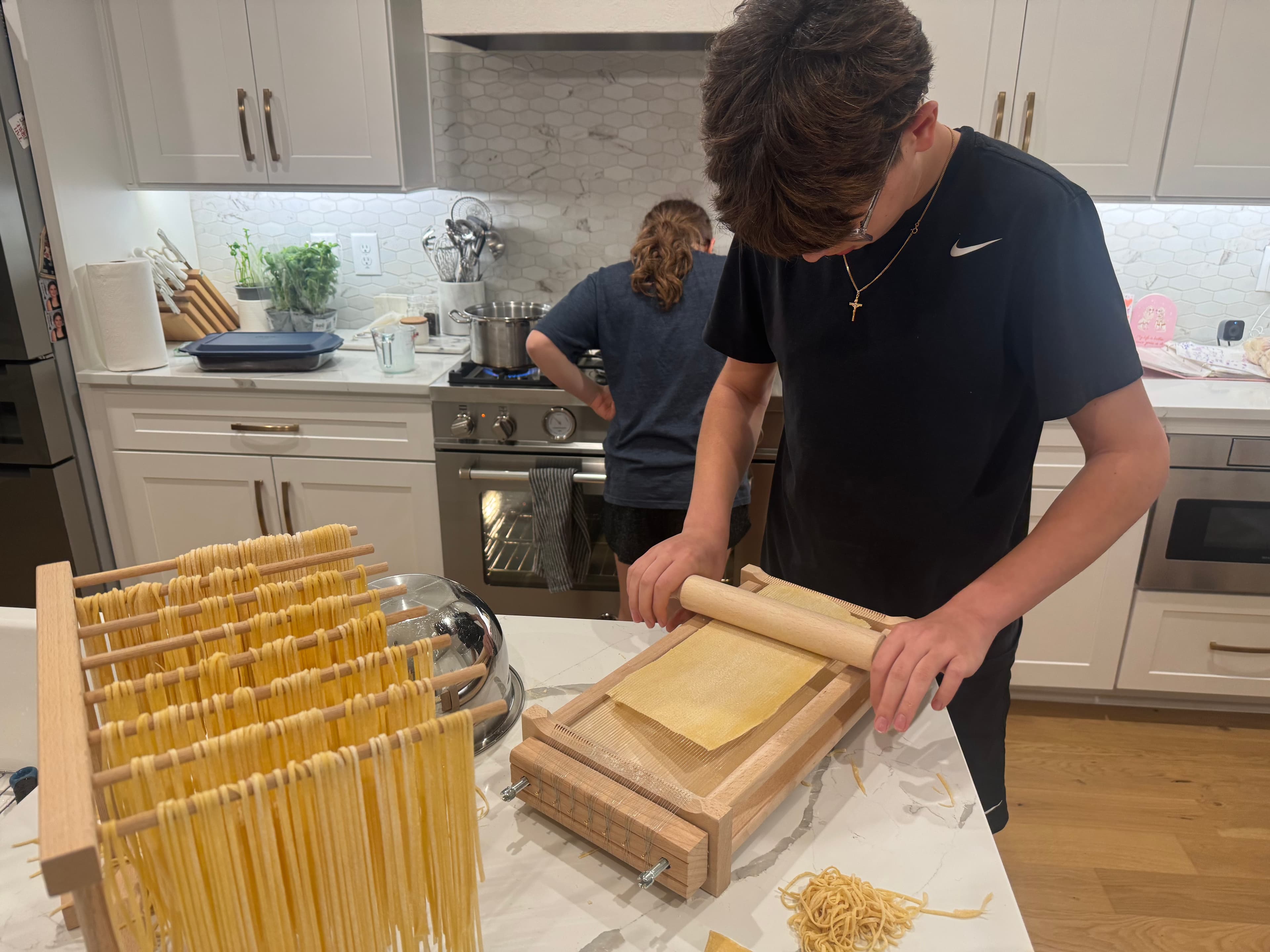
  • • Fresh Pasta Cooking Classes and future LIFE experiences held
  • • Optional LIFE Tables registered and community participation
  • • Donations and funds raised when appropriate
  • • Future behavior-change outcomes when reliable data exists

Early Pilot Metrics

These categories show what LIFE is measuring or preparing to measure. No sample numbers are presented as established impact.

Education Reach

LIFE is building the systems needed to understand how many people use its free website education, LIFE Guide, and practical resources without presenting estimates as established results.

People Reached

Assessment completions, resource access, classes, registered LIFE Tables, and community participation will provide a fuller picture as reliable data becomes available.

Assessment Learning

Aggregated, anonymized LIFE Assessment data can help identify which of the six pillars need clearer education while protecting individual privacy.

Mission Funding

Classes and donations fund LIFE's free educational mission. Financial and program outcomes will be reported as verified information becomes available.

Community participation adds context

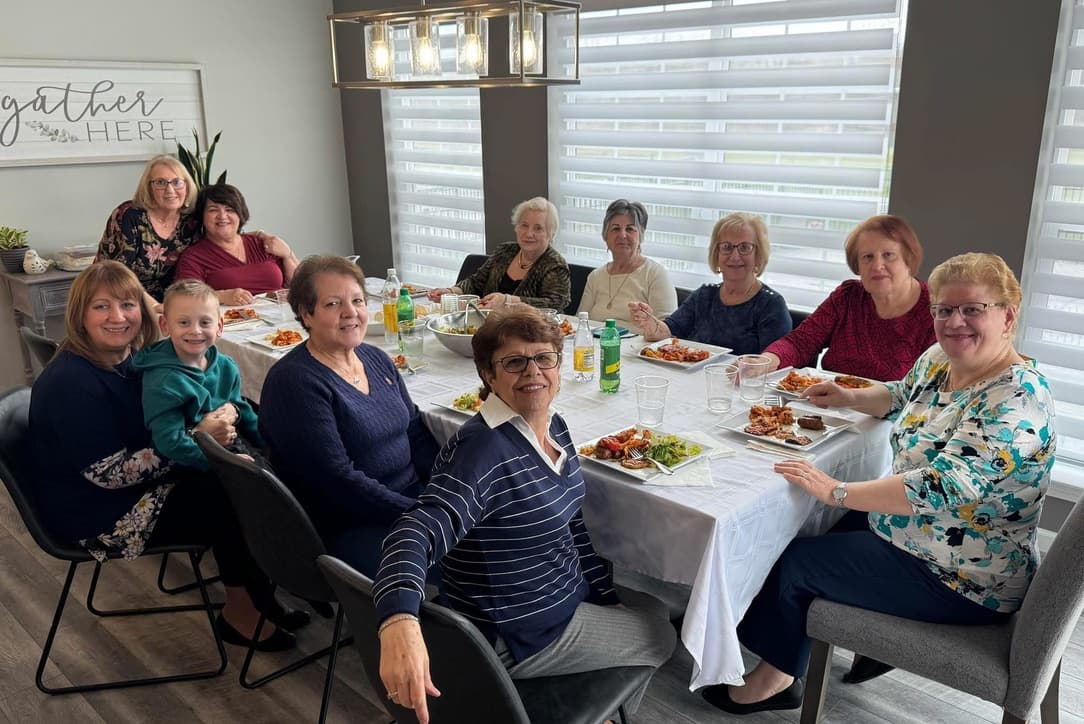
Optional LIFE Tables and registered community experiences help LIFE understand where its free education is being put into practice. Hosting is one way to participate—not a required step or the primary measure of growth.

Registration is optional and helps document community reach.

How a LIFE Cooking Experience Creates Ripple Effects

  • • Fresh ingredient shopping becomes a shared responsibility instead of an individual burden.
  • • Children and teens learn to cook alongside adults, normalizing healthier defaults.
  • • Neighbors start informal walking groups or shared garden plots after a LIFE cooking experience.
  • • Assessment reflections motivate doctor visits, preventive screenings, or sleep upgrades.

Pilot observations • Georgia hosts

Pilot photos

How a LIFE cooking experience looks in practice

Images from Georgia and early partner cities show small, measurable cooking experiences where meals become a framework for accountability.

Families preparing a LIFE meal
Cooking together
Neighbors sharing dinner
Registered LIFE cooking experience
LIFE cooking experience host guiding participants
Pilot LIFE cooking experience coaching

What early proof looks like

How LIFE is building an accountable education model

Quarterly Pilot Reviews

All registered LIFE workshops, attendance, and donations are reviewed by the board before publishing updates.

Story + Data

Hosts submit both qualitative notes and impact metrics so context is never lost in spreadsheets.

Expansion Criteria

Early expansion (Atlanta, Rochester, Austin) is evaluated through education reach, assessment completion, participation, and documented outcomes.